
Last week, at one Kids Academy centre, the water table caused a genuine scientific dispute. Two children were convinced their leaf-boats would float. A third wasn’t so sure. What followed was ten minutes of testing, re-testing, and a fairly serious debate about whose boat was "winning."
It looked like play. It was also, quietly, everything school readiness is built on.
The Skills Underneath the Play
Predicting, testing, comparing, explaining a reason - these are the same skills a child leans on in their first years of school, whether they’re working out a maths problem or explaining their thinking to a teacher.
Raising Children Network points to hands-on exploration as one of the ways young children build early problem-solving and thinking skills.
At Kids Academy, we see this as part of the groundwork for a confident start to school, not a separate goal to chase later.
Where This Sits in Our Curriculum
This is exactly why our Lifelong Learning Curriculum treats scientific thinking as a thread running through every day, not a once-a-year event around National Science Week (15-23 August).
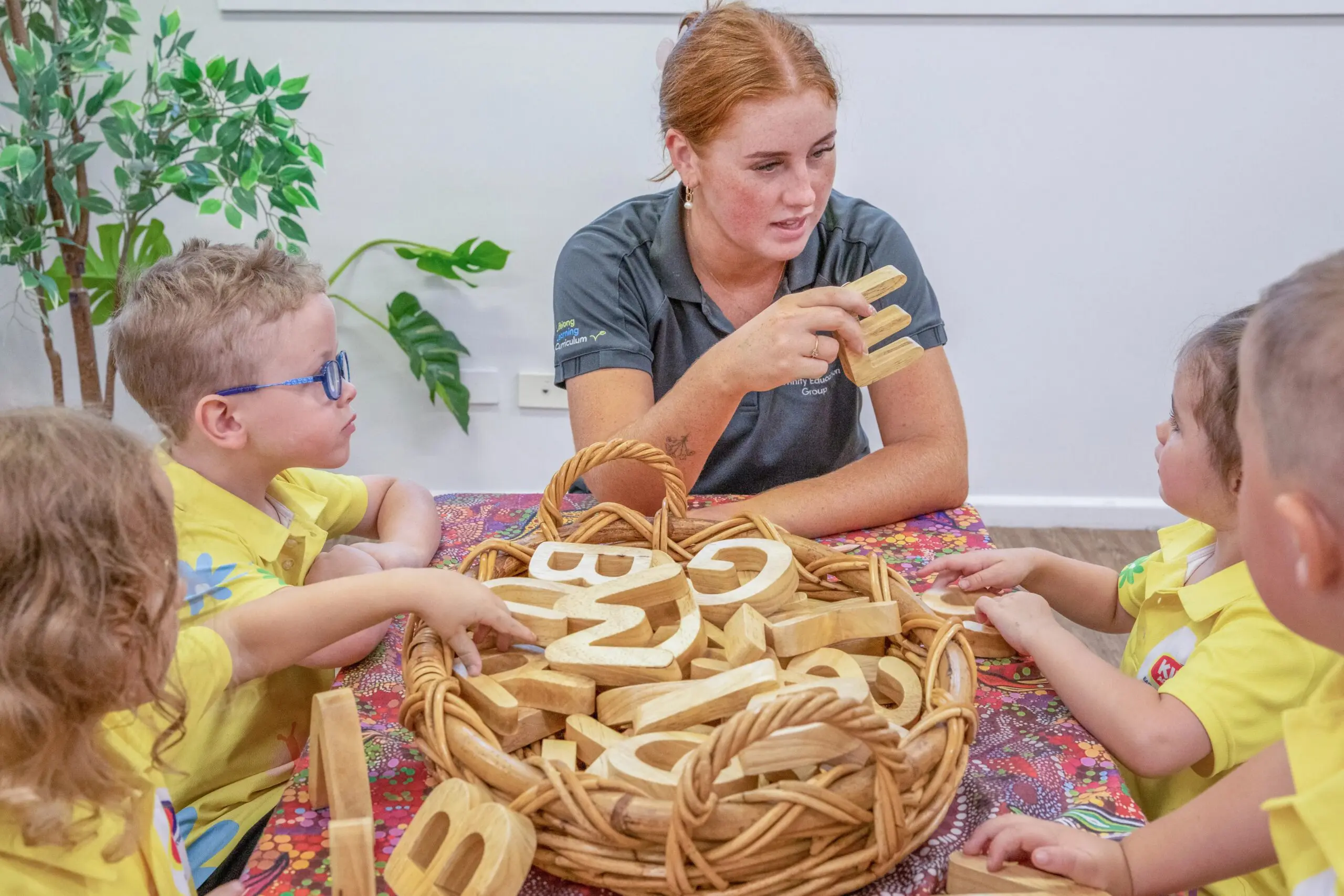
Educators are trained to notice the small experiments children are already running - pouring, stacking, testing, retesting - and extend them with a considered question: What do you think will happen? Why did that happen? Those questions build exactly the kind of reasoning and communication skills schools are looking for, well before a child ever sits at a desk. Our curriculum is planned against the outcomes of the national Early Years Learning Framework, giving every centre a consistent way of tracking that growth.
One practical example families often ask about is our Big Thinkers STEM programme, which adds a bit more structure to this - simple engineering challenges, nature-based investigation, experiments scaled right down to little hands. It’s one visible piece of a much bigger, everyday focus on building confident, capable thinkers.
Try This Tonight
Sink or float. Gather a handful of household objects - a spoon, a cork, a toy, a leaf. Ask your child to predict what will happen before each one goes in the water, then ask them to explain their reasoning afterwards. That explaining step is doing a lot of the work.
More to Try at Home
- Rainbow milk - a drop of food colouring in a shallow dish of milk, then a dot of dishwashing liquid. Ask your child to describe what they see happening, in their own words.
- Shadow tracking - trace your child’s shadow at two points in the day and ask them to explain what changed and why.
Each of these builds the same muscle: noticing, predicting, and explaining, the exact skills that carry a child confidently into their first years of school.
Why It Matters
National Science Week is a nice moment to spot it, but this thinking is being built every day at Kids Academy - in the questions your child asks, the small disputes they have over floating leaf-boats, and educators who are building school-ready thinkers well before school starts.
Ready to see it in action? Explore our Lifelong Learning Curriculum or find your nearest Kids Academy centre.