Two Years of Kindergarten: The Long-Term Academic Advantage
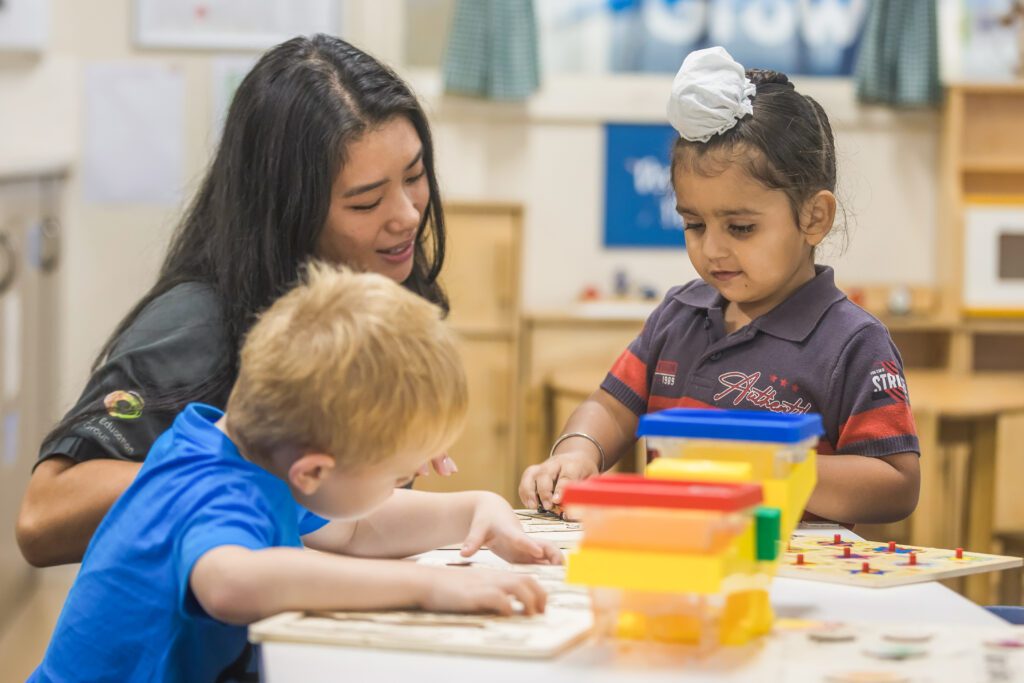
Each year, according to the Mitchell Institute at Victoria University, around one in five Australian children start school behind, and close to half of them stay behind. It’s a sobering figure, but it points to something genuinely useful for families: the gap is largely about the amount of quality early learning a child has had, not fixed ability. That makes it something families can plan for.
Why We Don’t Push Kids to Finish Their Plate (And the Skills It’s Building)
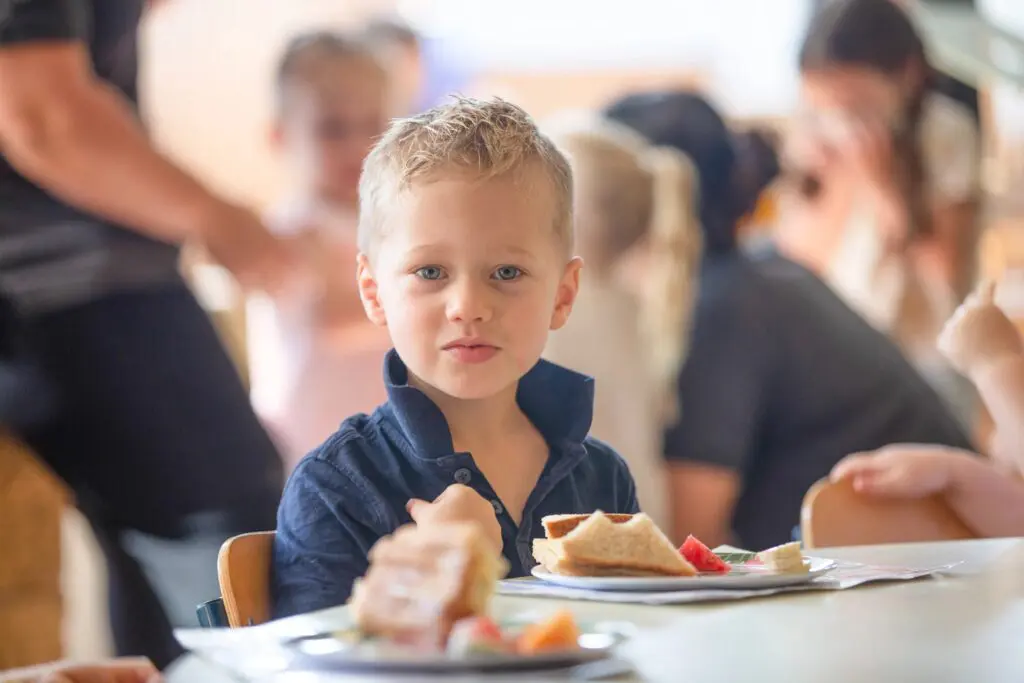
“Just a few more bites” is a phrase most parents have said at the dinner table. At Kids Academy, we take a different approach, and it’s about more than food. It’s about the skills children carry with them into school.
The Future Starts With Us: Recognising Our Teams This Educators’ Day
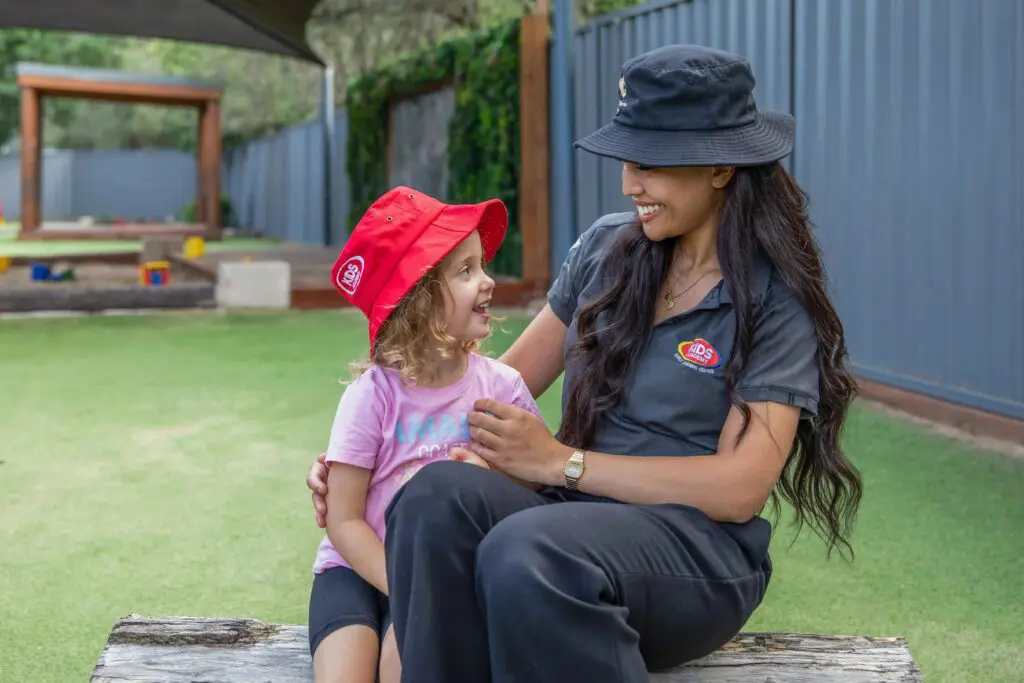
Wednesday 2 September is Early Childhood Educators’ Day, a national day of recognition for the educators shaping Australia’s youngest learners. This year’s theme, The Future Starts With Us, is a fitting one for a role built on consistency, care and teamwork. It’s been a big year for early education in Australia, and today is about recognising the teams who’ve kept showing up for children and families through all of it.
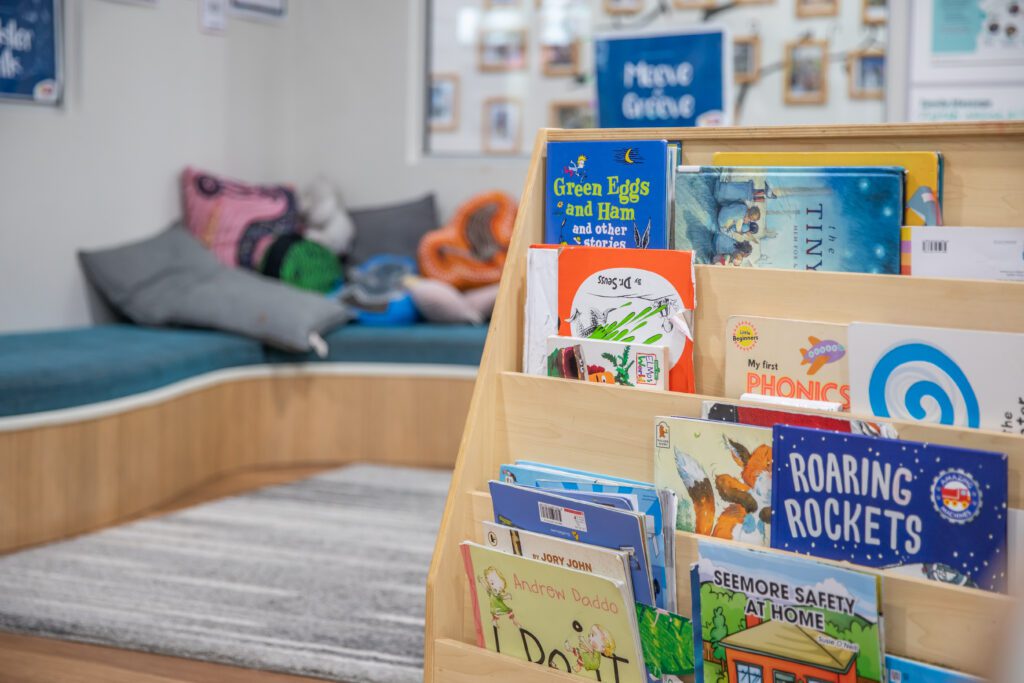
Book Week 2026: Building the Skills Kids Need Before School
Book Week 2026 runs from Saturday 22 August to Friday 28 August, with this year’s theme, “Symphony of Stories,” celebrating just how many different tales one book week can hold. At Kids Academy, we treat Book Week as more than dress-up day, it’s a chance to spotlight one of the simplest, most effective ways to build the skills children need before their first day of school.

Is It Okay to Feel Guilty About Early Learning? Here’s What to Know
It’s a familiar moment at drop-off: you walk back to the car, and a quiet worry follows you. Did I make the right call, sending my child to early learning?
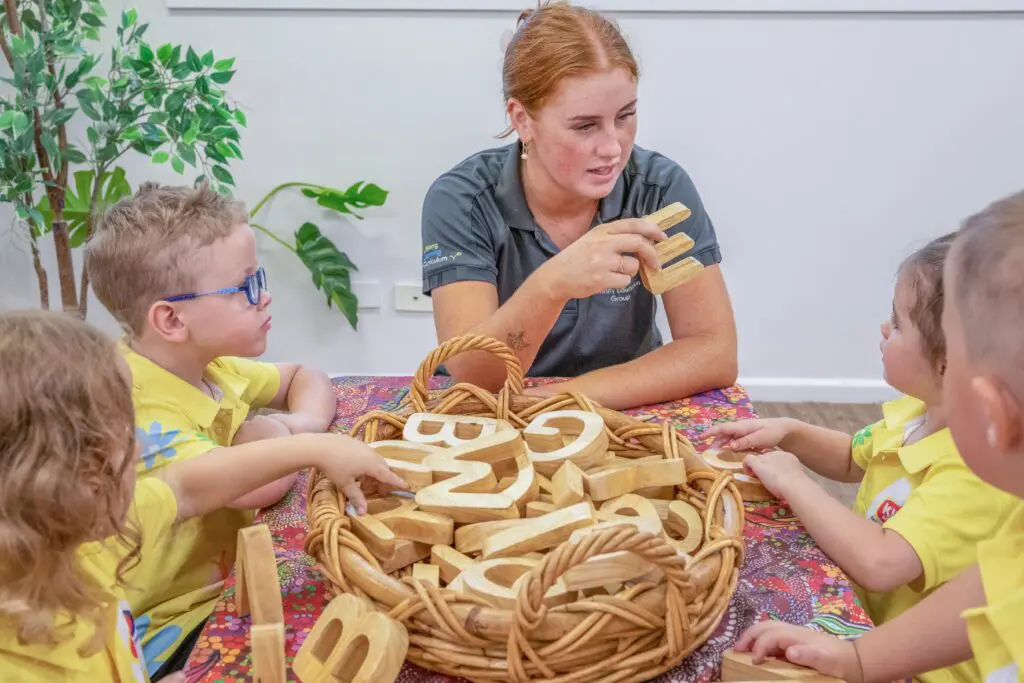
National Science Week 2026: Building the Thinking Skills Behind School Readiness
Last week, at one Kids Academy centre, the water table caused a genuine scientific dispute. Two children were convinced their leaf-boats would float. A third wasn’t so sure. What followed was ten minutes of testing, re-testing, and a fairly serious debate about whose boat was “winning.”
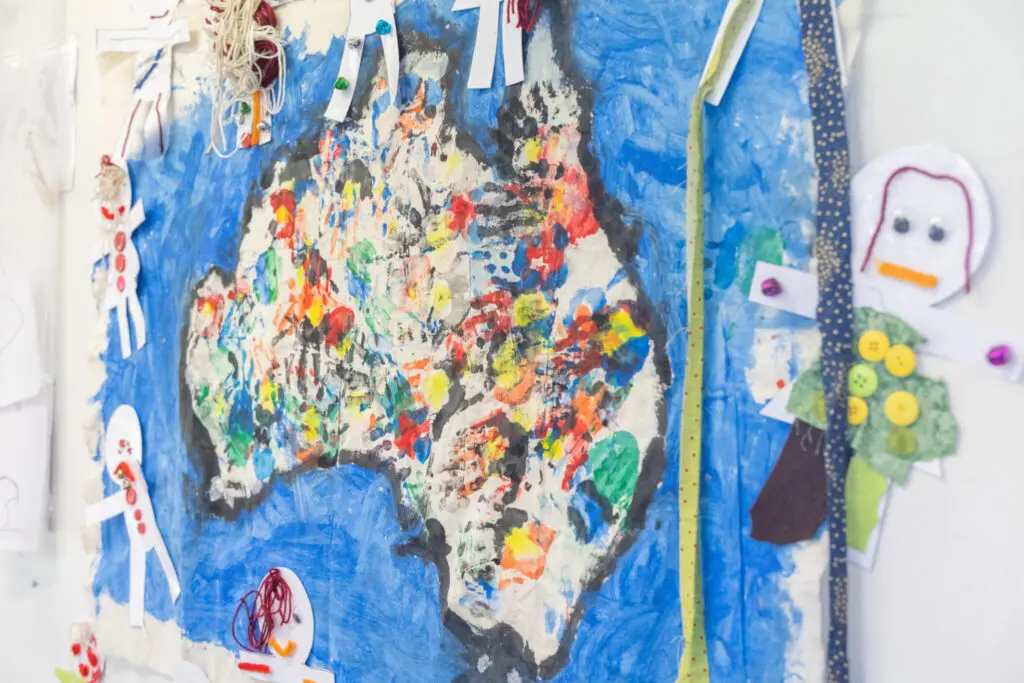
NAIDOC Week 2026: How Kids Academy Brings Country and Culture into the Classroom
NAIDOC Week (6-13 July) is a great opportunity to look at exactly how First Nations culture is taught in our classrooms, and how families can be part of that learning at home too. Here’s how it works at Kids Academy.
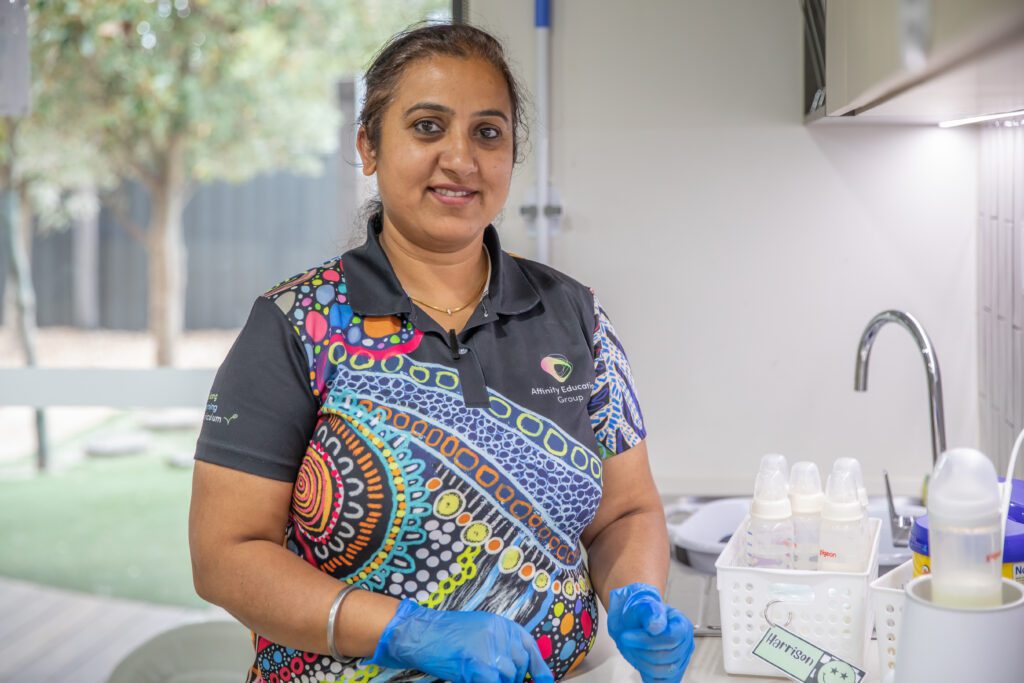
Fuel for Learning: Our Winter Menu Is Here at Kids Academy
What children eat during the day has a direct impact on how well they learn. At Kids Academy, we’ve built our 2026 Winter Menu around exactly that principle – warm, nourishing meals that give children the energy and nutrients they need to focus, explore, and thrive through every cooler-month session.
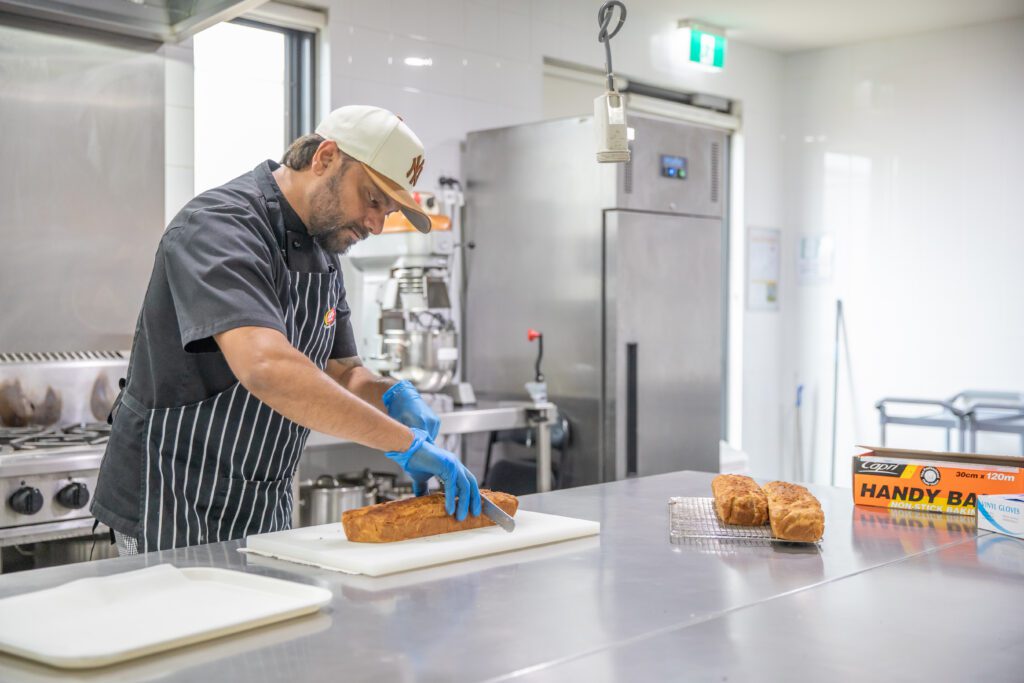
Fussy Eaters and Childcare: What’s Normal, and How Mealtimes Support Learning and Growth
Fussy eating is one of the most searched parenting topics for families with young children, and for good reason. When your child is refusing meals, surviving on a short list of accepted foods, or melting down at the sight of something unfamiliar on their plate, it’s exhausting. The good news is that selective eating is a completely normal part of early childhood development, and there are structured, evidence-backed approaches that genuinely help. Here’s what to expect, how we support variety at Kids Academy, and what works at home too.
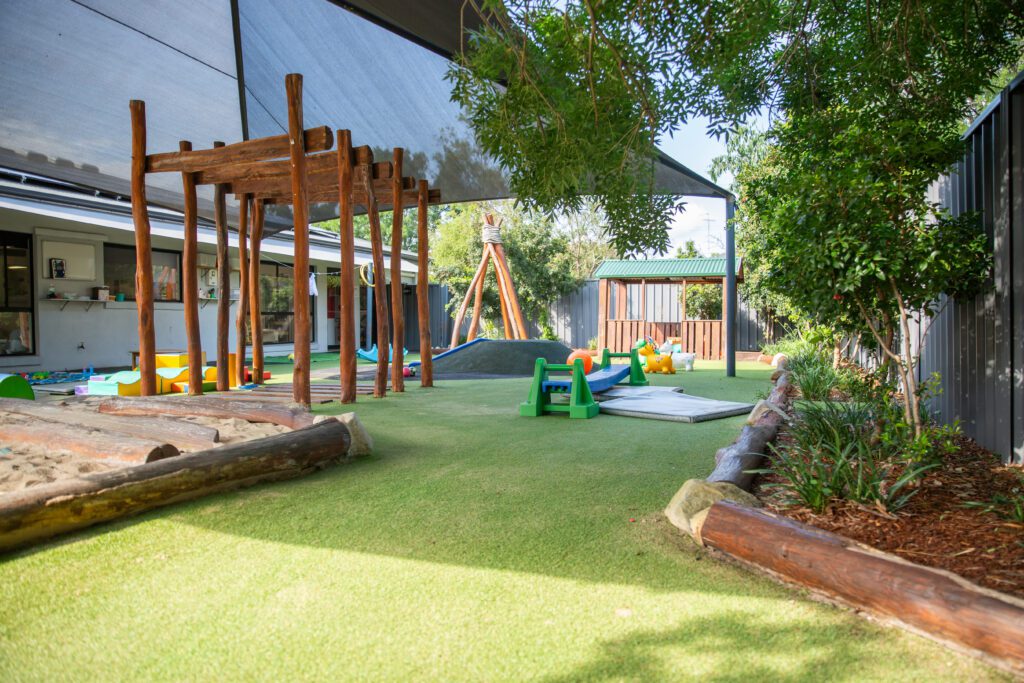
Why Risky Play Matters – Building Physical Confidence and School Readiness Through Outdoor Challenge
Climbing, running, tumbling, balancing, digging, negotiating the rules of a complex physical game with a group of peers – these might look like simple outdoor fun. But for children in the early years, they are also some of the most important developmental work happening anywhere in the day. Risky play, play that involves a genuine degree of physical challenge and managed uncertainty, builds the physical confidence, cognitive capacity, and social skills that children need not just for childcare, but for school and beyond. Here’s what the research says, and how we structure outdoor play at Kids Academy to make the most of it.