
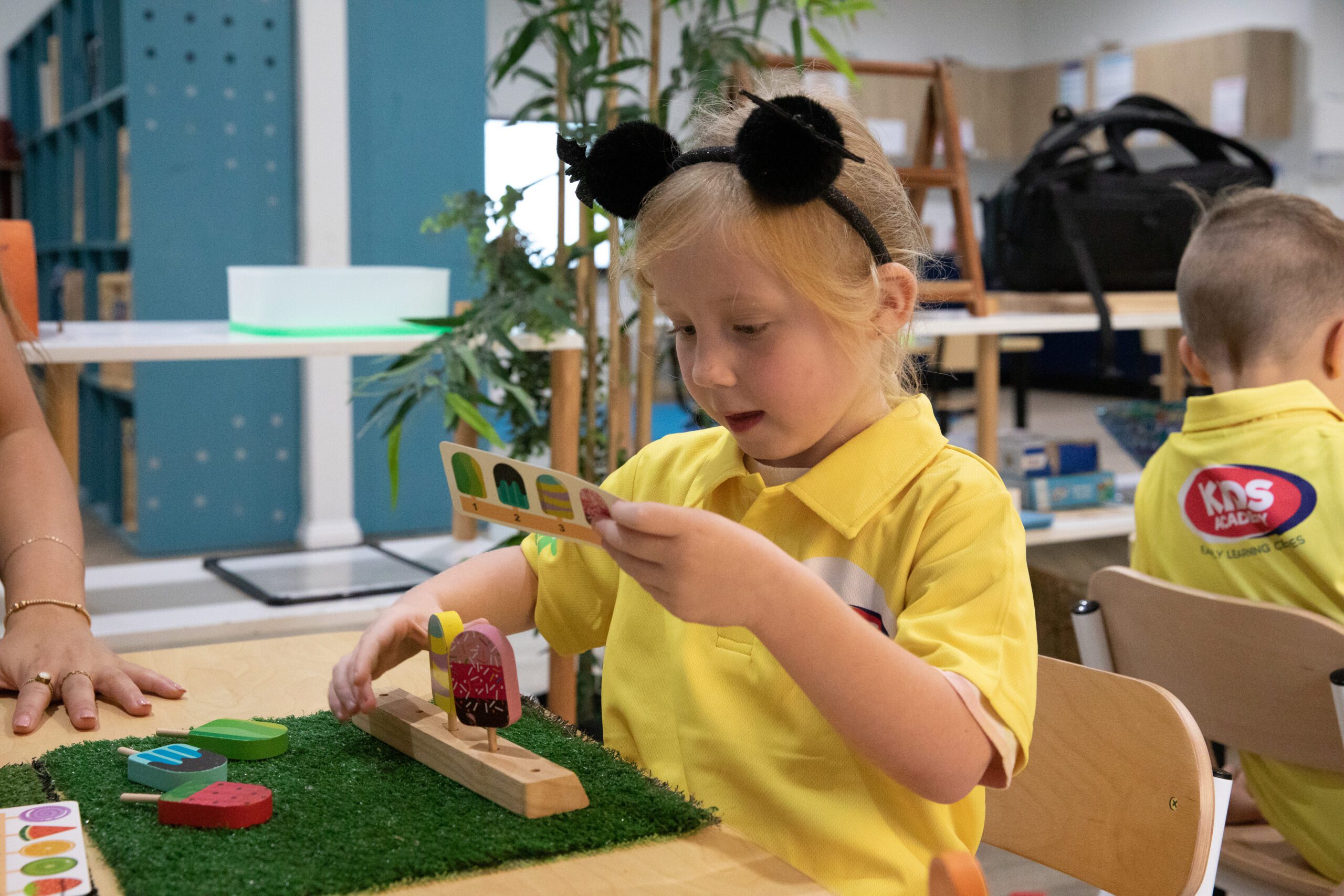

Ask your child what they did today and you'll probably hear about play - the cubby they built, the game they made up with a friend, the question they asked about bugs. It might sound simple, but those moments are building confidence, curiosity and a sense of who they are. And every one of them connects to your child's rights.
Children's Week runs from 24 October to 1 November 2026. It's a national celebration of children, and this year's theme is "Children have the right to use their own language, celebrate their culture and practise their religion."
What is Children's Week?
Children's Week is held every year around the fourth Wednesday in October. It's led by the Children's Week Council of Australia and is based on the United Nations Convention on the Rights of the Child, with one right chosen as the theme each year.
Schools, early learning centres and communities across Australia take part. Many local councils run free family events too, so it's worth checking what's on near you.
The rights every child is born with
The Convention on the Rights of the Child was adopted by the United Nations in 1989, and Australia signed on in December 1990. It sets out the rights every child should be able to enjoy, wherever they live.
Some might surprise you. Children have the right to play and rest. They have the right to an education, the right to have a say in decisions that affect them, and the right to their own culture, language and religion.
Put together, these rights say that children deserve to be listened to, to learn, to play and to feel proud of who they are. Those are also the foundations of a confident start at school.
Language, culture and a strong sense of self
This year's theme comes from Article 30 of the Convention. It protects the right of children from minority communities, and First Nations children, to use their own language, enjoy their culture and practise their religion.
For young children, it's all about belonging. The language they hear at home, the food your family shares, bedtime stories and the celebrations they count down to - these are all part of who your child is. When they're welcomed at their centre, your child feels seen.
Every family has its own culture, whether that's a home language, a recipe handed down through generations or the way you celebrate birthdays. In early learning, respecting that might look like an educator learning a few words in your child's home language, books and songs that reflect lots of different families, or an invitation to share a story or celebration with the room. It also means respecting each family's beliefs, routines and dietary needs.
A strong sense of identity helps children walk into school feeling secure and ready to learn. We share more about this in how we teach children to respect and embrace differences. Children also learn about the cultures of Aboriginal and Torres Strait Islander peoples, the First Peoples of this land, through our First Nations education program.
Why play is a right, not a reward
It might seem surprising that play is written into an international agreement. But for young children, play isn't a break from learning - it's how learning happens.
When your child builds, pretends, climbs or splashes, they're working on language, problem solving, friendships and managing big feelings, all at once. These are the same skills teachers look for when children start school. Raising Children Network explains how child-led play helps children learn, because they tend to learn most when they're truly engaged.
You can also read how play-based learning at Kids Academy supports growth and development.
Your child, the capable learner
Australia's Early Years Learning Framework guides how educators plan and teach, and it recognises children as capable and competent learners. It also encourages educators to actively engage with the Convention on the Rights of the Child in their everyday practice.
Our Lifelong Learning Curriculum is aligned with the Early Years Learning Framework. In your child's room, that looks like educators noticing what sparks your child's curiosity and building learning around it. It means asking children for their ideas, offering real choices, and giving them space to try, wobble a little and work things out for themselves.
This is child-led learning, where the right to learn and the right to be heard come together. It also builds skills that matter at school, like speaking up, asking questions, sharing ideas with a group and sticking with a challenge.
Simple ways to celebrate at home
You don't need a big plan to mark Children's Week, because small moments count. A few ideas to try:
- Share a family story. Tell your child where your family comes from, or about a tradition you loved when you were little.
- Bring in your home language. If your family speaks more than one language, sing a song or read a book together in it.
- Let them lead. Set aside 15 minutes to play whatever your child chooses, and simply follow along.
- Ask what they think. Let them help choose dinner, plan a weekend outing or explain how they built something.
- Find a local event. Check your council's website for Children's Week activities near you.
Celebrating every child
Every child walks through the gate with their own language, culture, beliefs and ideas, and Children's Week is a chance to celebrate all of it.
If you'd love to share a little of your family's culture with your child's room - a story, a song, a favourite recipe - have a chat with your educators. They'd love to hear from you.