

Fussy eating is one of the most searched parenting topics for families with young children, and for good reason. When your child is refusing meals, surviving on a short list of accepted foods, or melting down at the sight of something unfamiliar on their plate, it's exhausting. The good news is that selective eating is a completely normal part of early childhood development, and there are structured, evidence-backed approaches that genuinely help. Here's what to expect, how we support variety at Kids Academy, and what works at home too.
What's actually normal with fussy eating
Selective eating typically peaks between ages two and six, precisely the years children spend in early learning. From a developmental perspective, this phase makes sense: as children become more independent, they also become more cautious about new experiences, including new foods. This is known as food neophobia, and it's a well-documented, normal part of early childhood.
According to the Australian Institute of Family Studies, the majority of children go through at least one significant period of selective eating before starting school. Research also tells us that children may need to encounter a new food 15 to 20 times, in a calm, low-pressure environment, before they're ready to try it. That's not a short process, and understanding that timeframe helps set realistic expectations for both families and educators.
How eating at childcare can differ from eating at home
A common observation from Kids Academy families is that their child eats differently at care than at home. Some children eat a broader range of foods in the group setting; others eat less than usual during the settling-in period. Both are normal.
Group mealtimes have a structure and social dynamic that's quite different from home. Children observe peers and educators eating the same foods, in a calm and predictable routine, which can reduce the wariness that often surrounds unfamiliar foods at home. If your child's appetite dips in the first few weeks of starting care, this typically reflects the energy that settling takes, and it usually stabilises as children become more comfortable in their environment.
How Kids Academy supports variety at mealtimes
At Kids Academy, we treat mealtimes as a structured part of the day, not just a break from learning, but a learning opportunity in their own right. How children engage with food, with each other, and with new experiences at the table is all part of how they develop.
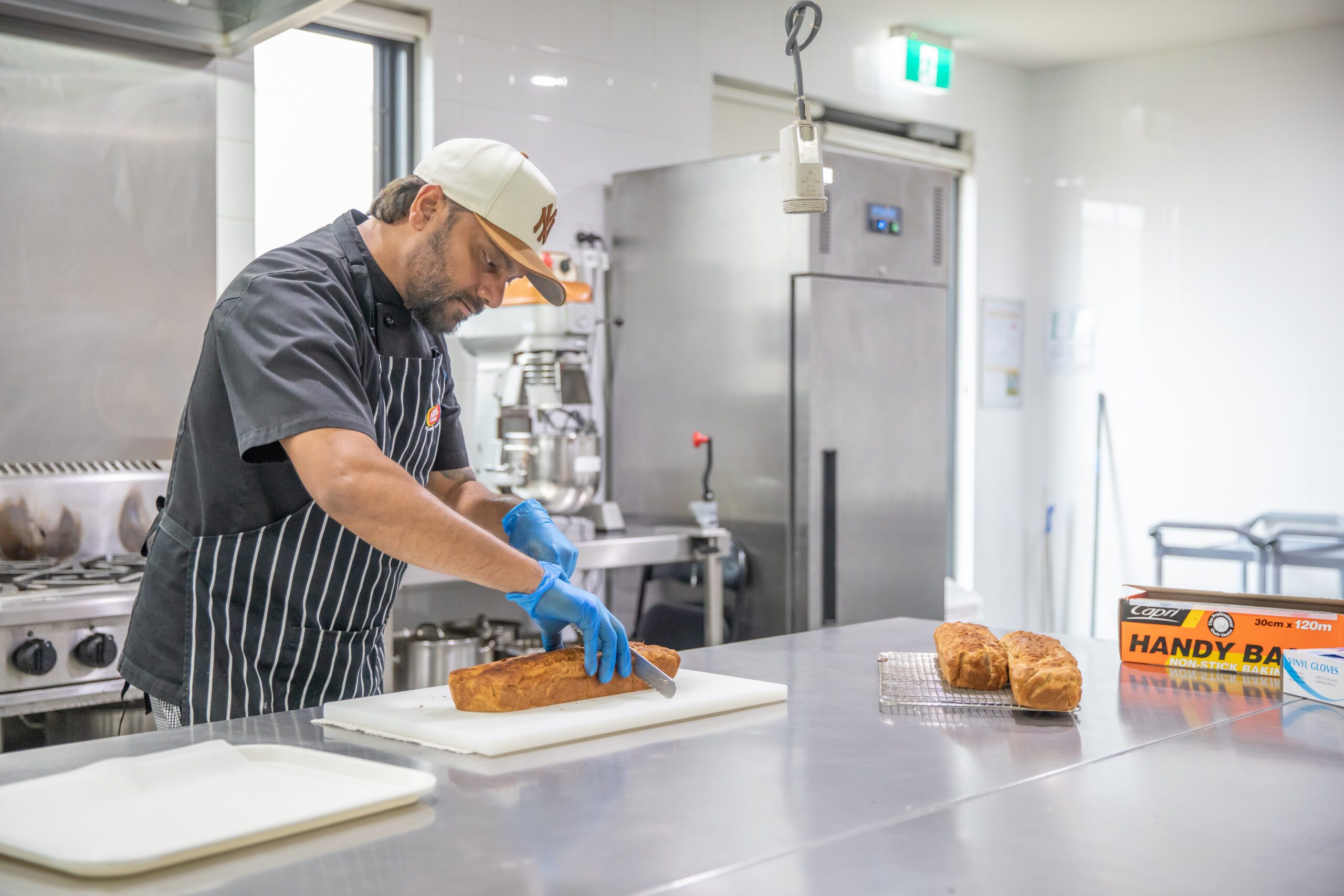
Fresh meals cooked on-site. Our centres prepare fresh food daily, which means children are eating meals that are warm, varied, and made with whole ingredients. The quality and freshness of food matters, and it shows in how children respond to it.
Consistent exposure across a varied menu. Our menus are deliberately diverse. We serve a wide range of vegetables, proteins, and grains across the week, not because we expect children to eat everything, but because consistent exposure in a low-pressure environment is the single most effective way to expand a child's palate over time.
Educators eat alongside children. At Kids Academy, educators sit with children at mealtimes and eat the same food. Watching trusted adults engage positively with a meal is one of the most reliable ways to encourage children to do the same. It's a simple but powerful part of our mealtime routine.
No pressure at the table. We don't incentivise eating with rewards, and we don't use language that puts children under obligation to finish their food. A calm, consistent, pressure-free mealtime environment is what the evidence supports, and it's what we deliver every day.
Food as part of the curriculum. Kids Academy educators bring food conversations into learning throughout the day: where different foods come from, what nutrients do for growing bodies, what we might notice about the colour or texture of something new. Building food literacy and positive associations with eating is part of how we support children's overall development.
What to try at home
The same principles that guide our mealtime approach at Kids Academy are equally effective in the home environment.
Pair new foods with accepted ones. A plate with one unfamiliar food alongside two or three reliably eaten foods feels manageable. A plate of entirely new or disliked foods doesn't, and increases the chance of a flat refusal before a single bite.
Serve small amounts of new foods. A teaspoon is enough for an exposure. The goal isn't to get your child to eat a full serving of broccoli tonight, it's to keep offering it, without comment, until it becomes familiar.
Bring children into the kitchen. Even toddlers can wash vegetables, tear lettuce, or stir ingredients. Children who have been involved in preparing food are consistently more willing to try it.
Don't prepare an alternative. It's understandable to want to make sure your child eats something, but routinely providing a preferred alternative when a meal is rejected teaches children that refusal is a reliable strategy. Offer the meal, keep the atmosphere calm, and let your child decide how much of it they eat.
Think in months, not days. Research on fussy eating is clear that improvement happens gradually. Consistent, relaxed exposure over time is far more effective than any single mealtime strategy.
Check in with your child's educators. We're at the table with your child every day, and we're well-placed to share what we're observing - what they're accepting, how they're engaging with new foods, and whether there's anything worth a conversation.
When to seek professional advice
For most children, fussy eating is developmental and resolves with time. It's worth a conversation with your GP or child health nurse if:
- Your child is not gaining weight or growing as expected
- Their accepted food range is very limited - fewer than 20 foods - and is narrowing rather than expanding
- They become very distressed around mealtimes, or frequently gag or vomit when encountering new foods or textures
- You suspect a sensory processing difference may be a factor
A GP can connect you with a paediatric dietitian or specialist feeding therapist if needed.
We're here to support your child, and your family
If mealtimes feel like a daily battle, you're not alone, and it doesn't have to stay that way. At Kids Academy, we're happy to talk with you about what your child is eating at care, how our mealtime approach works, and what might help at home.
If you'd like to visit a centre and see how we structure our days, mealtimes included, we'd love to have you.