
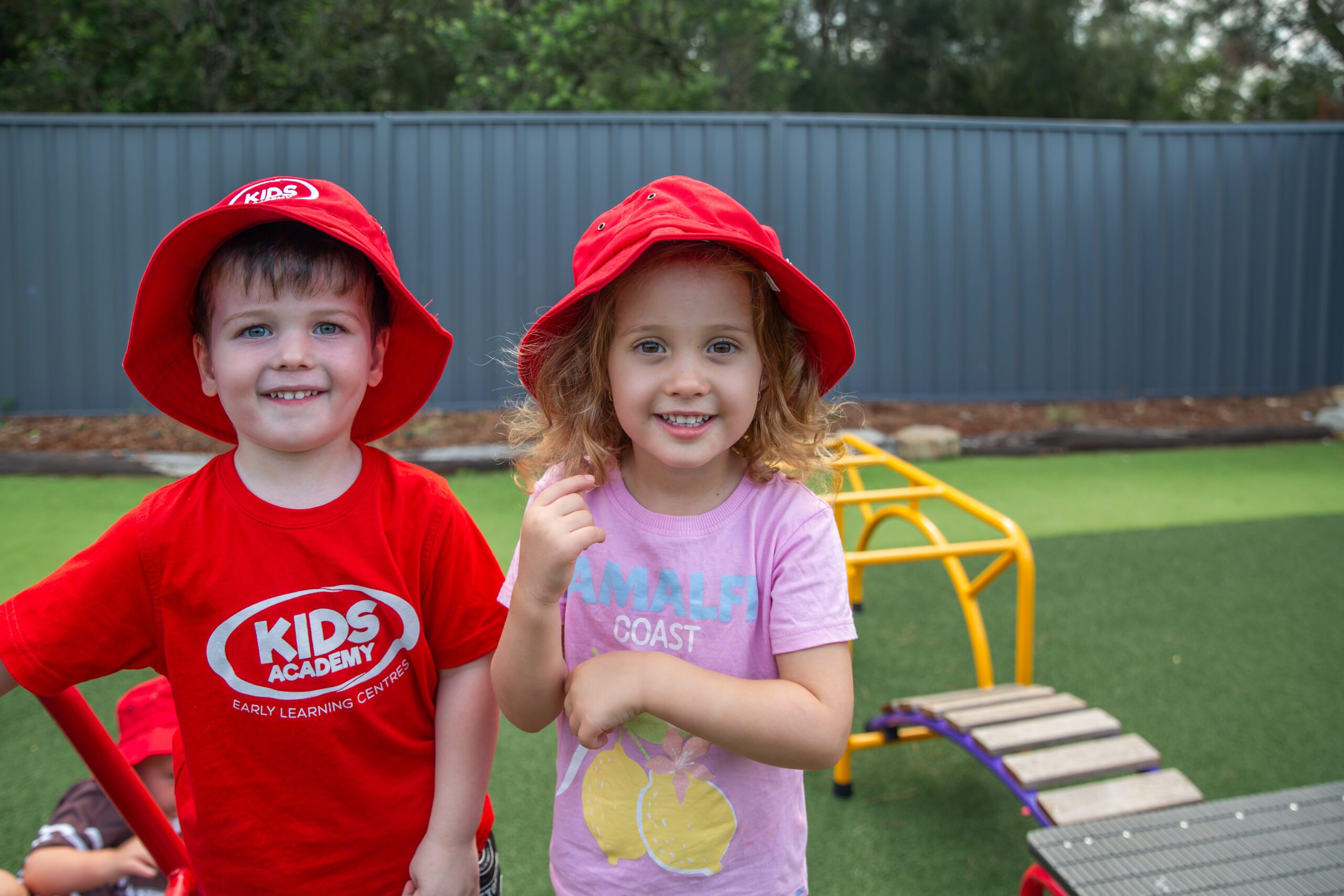

When we think about preparing children for school, literacy and numeracy often come to mind first. But one of the most important foundations for school readiness isn’t academic, it’s social.
For children aged 2-5, resilience is built through everyday interactions with other children - in shared play, problem-solving, disagreements and reconnection.
Friendships are where children learn how to manage frustration, collaborate, adapt and try again. And those are the skills that underpin confident learners.
What resilience looks like in the preschool years
Resilience in early childhood doesn’t mean children never feel upset.
It means they can:
- cope when something doesn’t go their way
- recover from disappointment
- adapt when routines change
- work through challenges with support
The Harvard Center on the Developing Child explains that resilience develops through consistent, responsive relationships that help children manage stress and build emotional regulation skills.
Before children step into a classroom environment, they practice resilience in social play.
Every “Can I have a turn?”
Every “That wasn’t fair.”
Every repaired friendship.
These moments are shaping their ability to handle the structured social environment of school.
Why friendships matter for social development
Between ages two and five, children move from playing alongside others to genuinely collaborating.
During this stage, they are learning how to:
- take turns
- negotiate roles
- follow group expectations
- interpret social cues
- repair conflict
According to the Raising Children Network, friendships help preschoolers develop empathy, cooperation and communication, all essential skills for thriving in a classroom setting.
Children who feel confident socially are more likely to:
- participate in group activities
- ask questions
- seek help when needed
- persist when learning feels challenging
In other words, social confidence supports academic confidence.
When social situations feel challenging
It’s common for parents to wonder:
- “Why does my child struggle to share?”
- “Why does she get so upset during play?”
- “Why does he prefer to play alone?”
Social development unfolds gradually. Some children are naturally assertive; others are thoughtful observers before they join in. Both styles are valid.
The key is exposure to well-supported peer interactions - environments where children are guided, not left to navigate social challenges alone.
With practice, children build the skills and confidence they need.
The resilience skills hidden inside play
Social play develops critical executive functioning skills.
When children:
- Wait for a turn - they strengthen impulse control.
- Negotiate during role play - they develop flexible thinking.
- Work through disagreements - they practice emotional regulation.
- Reconnect after conflict - they learn that challenges can be resolved.
These are the same skills children rely on in structured learning environments - listening to instructions, collaborating in small groups and managing setbacks.
Play is practice for real-world learning.
How Kids Academy supports resilience through structured social learning
Supporting resilience at home
Families can reinforce social development in simple, practical ways:
- Practice turn-taking games
- Encourage children to use words to express feelings
- Allow small disappointments rather than stepping in immediately
- Praise effort and persistence
For example:
“You kept trying even when it was tricky.”
“You worked that out together.”
Resilience strengthens through repetition and reflection.
Why this matters for school readiness
When children enter kindergarten or school, teachers look for more than early academic knowledge.
They notice whether a child can:
- follow group routines
- collaborate with peers
- manage frustration
- seek support appropriately
- recover from mistakes
These abilities are deeply connected to early social experiences.
Friendships in the preschool years are not simply sweet memories. They are preparation for more structured learning environments, like primary school.
A strong foundation for confident learners
Resilience develops over time:
- In shared construction projects
- In role-play negotiations
- In moments where a child chooses to try again
At Kids Academy, we view these interactions as critical learning opportunities.
By intentionally supporting social development, we help children build the resilience and confidence that underpin school readiness, and lifelong success.
If you’d like to see how Kids Academy supports your child’s social and emotional growth, you can find your nearest centre and book a tour here.