
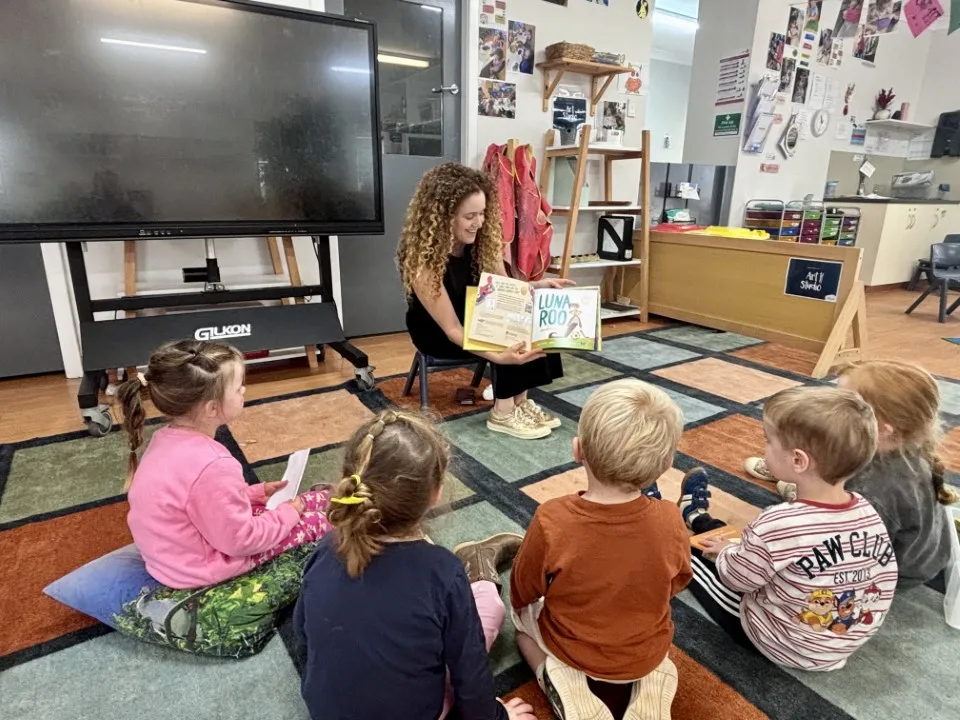
Storytime Skills: Kids Academy Joins National Simultaneous Storytime 2026
On Wednesday 27 May 2026, children across Kids Academy joined millions of young Australians in one of the country’s most beloved literacy events. National Simultaneous Storytime isn’t just a fun shared moment, it’s a powerful demonstration of what regular, engaged reading can do for children’s development and their readiness for school.
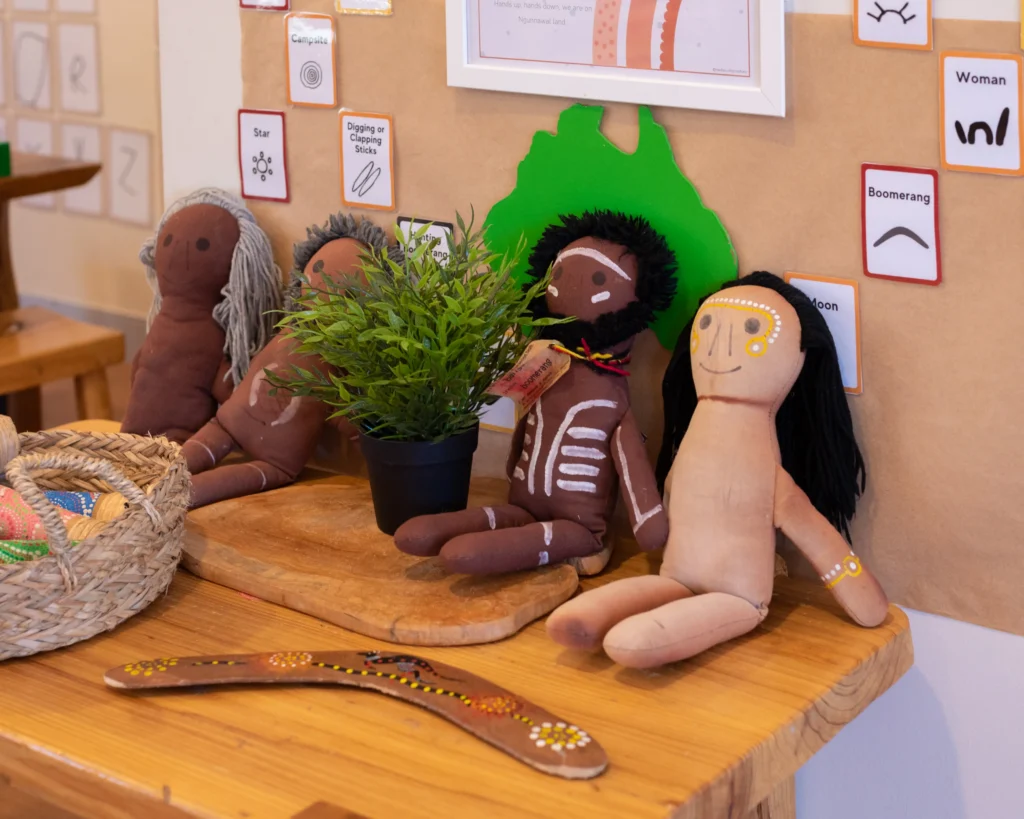
National Reconciliation Week 2026 – How Children Learn From Country, Culture, and Shared History
National Reconciliation Week runs from 27 May to 3 June each year, marking two landmark dates in Australia’s reconciliation history – the 1967 referendum and the 1992 Mabo decision. The 2026 theme is All In: a clear, direct call for every Australian to take an active role in reconciliation, not just during this week, but as an ongoing commitment. At Kids Academy, that commitment is built into how we approach learning every day, through our curriculum, our environments, and our partnership with Wandana Aboriginal Education.
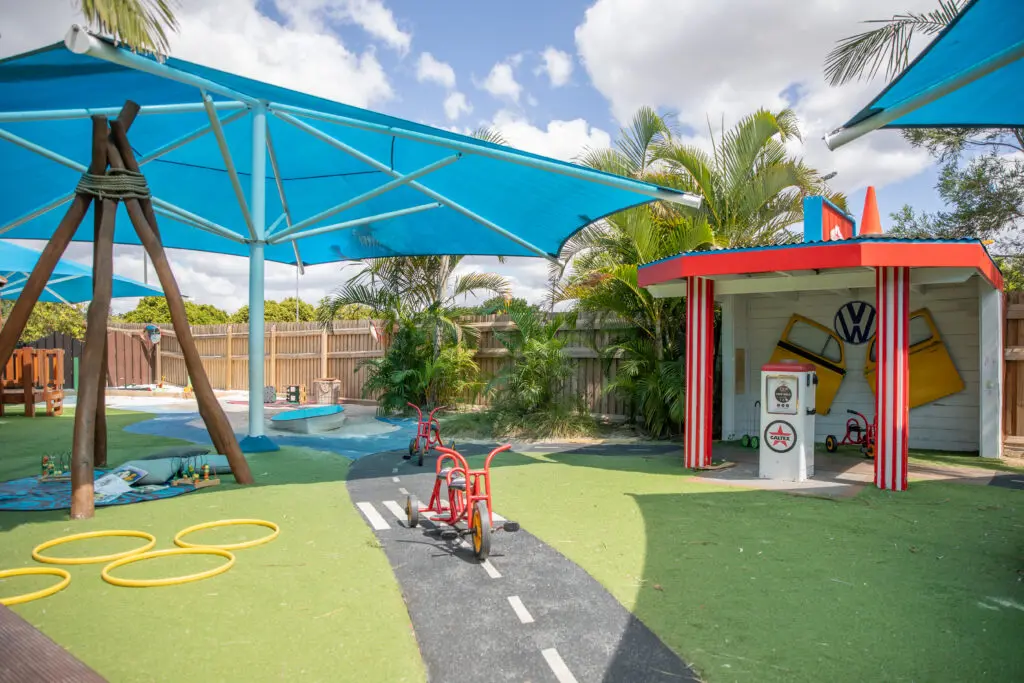
What Learning Really Looks Like for Babies, Toddlers and Preschoolers
When parents ask whether childcare is educational, the honest answer is: it depends entirely on what’s happening inside the room.
In a high-quality early learning environment, every part of the day – the morning routine, the sensory table, the outdoor time, even the lunch conversation – is structured with developmental outcomes in mind. But it rarely looks like formal education. It looks like play. And for children under five, that’s exactly what it should look like.
When Should I Enrol My Child in Childcare?
If you’re pregnant, on parental leave, or starting to plan your return to work, childcare enrolment is probably already on your mind. The practical answer is: start earlier than you think you need to. This guide covers when to begin, how waitlists work, what to look for on a centre tour, and how to set your child up for a confident first day.
Child Development Milestones: What to Expect from Birth to School Age
Starting childcare, or simply thinking about your child’s development, often comes with a lot of questions. What should my child be doing at this age? Are they on track? What comes next? These are the questions almost every parent asks, and they’re exactly the right ones.
Who looks after your child at Kids Academy? Educator qualifications explained
If you’ve ever wondered exactly who is responsible for your child’s care and learning at Kids Academy, and what they’re trained to do, this post is for you. Understanding the qualification structure behind your child’s educators isn’t just reassuring. It helps you see how a well-structured centre team translates into a consistent, purposeful experience for your child every single day.
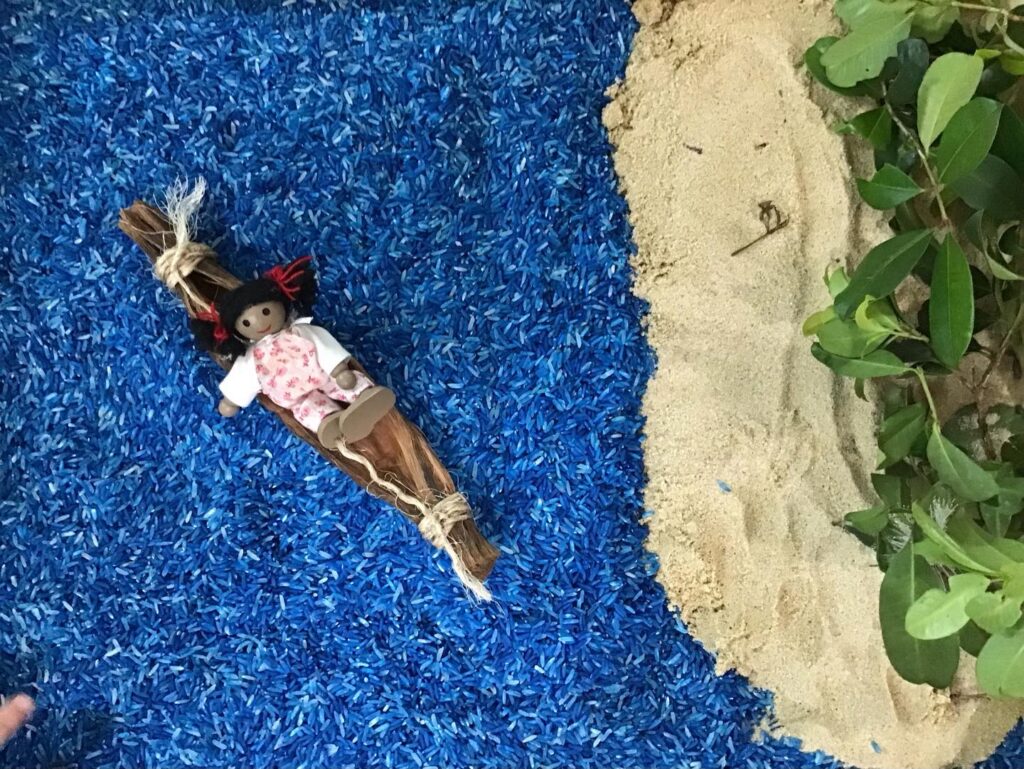
Exploring the Nawi: Building Knowledge, Story and School Readiness Through Culture
Strong learners aren’t just children who can count and write their name. They are children who can think, communicate, ask questions, and make connections, and that kind of learning starts early.
This month at Kids Academy Early Learning, children have been exploring the concept of the Nawi, a traditional Aboriginal canoe from the Sydney language region, as part of our Lifelong Learning Curriculum, supported by resources from Wandana Aboriginal Education.
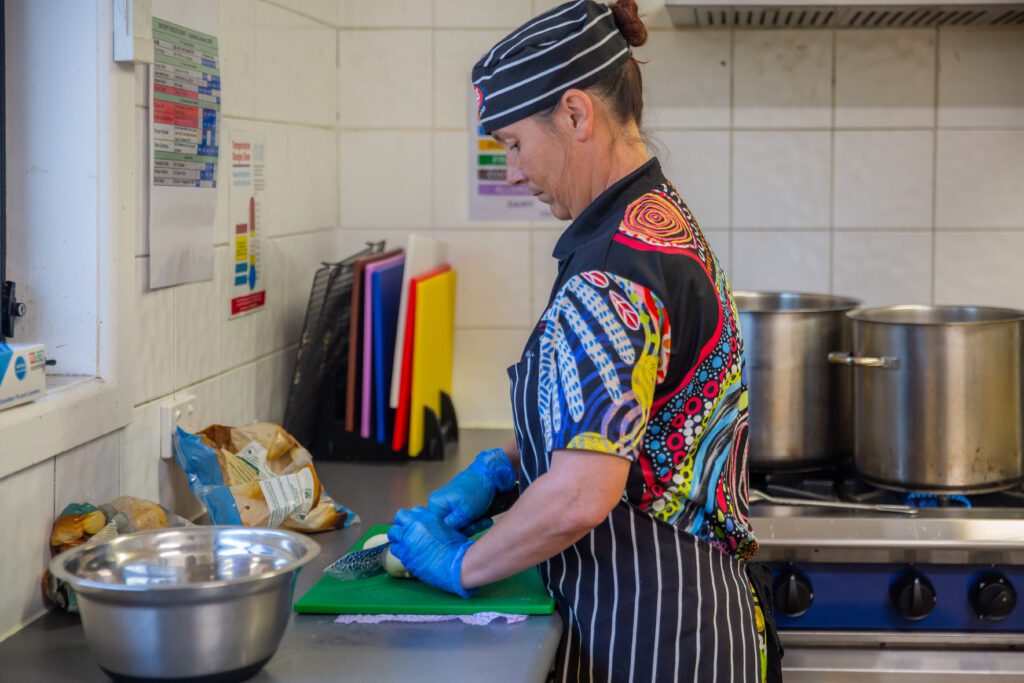
Supporting Growing Minds This Autumn: What’s New on the Menu at Kids Academy
As the seasons change, so do the needs of growing children.
At Kids Academy Early Learning, our autumn menu has been thoughtfully refreshed to provide warm, nourishing meals that support not only your child’s physical growth, but also their energy, focus, and readiness to learn each day.

Childcare & Preschool in the City of Penrith: A Local Guide for Families
If you’re searching for childcare in Penrith, Regentville, Glenmore Park or surrounding suburbs, you’re not alone. With new housing developments, growing school communities and busy commuting parents, finding the right early learning centre in the City of Penrith is an important decision.
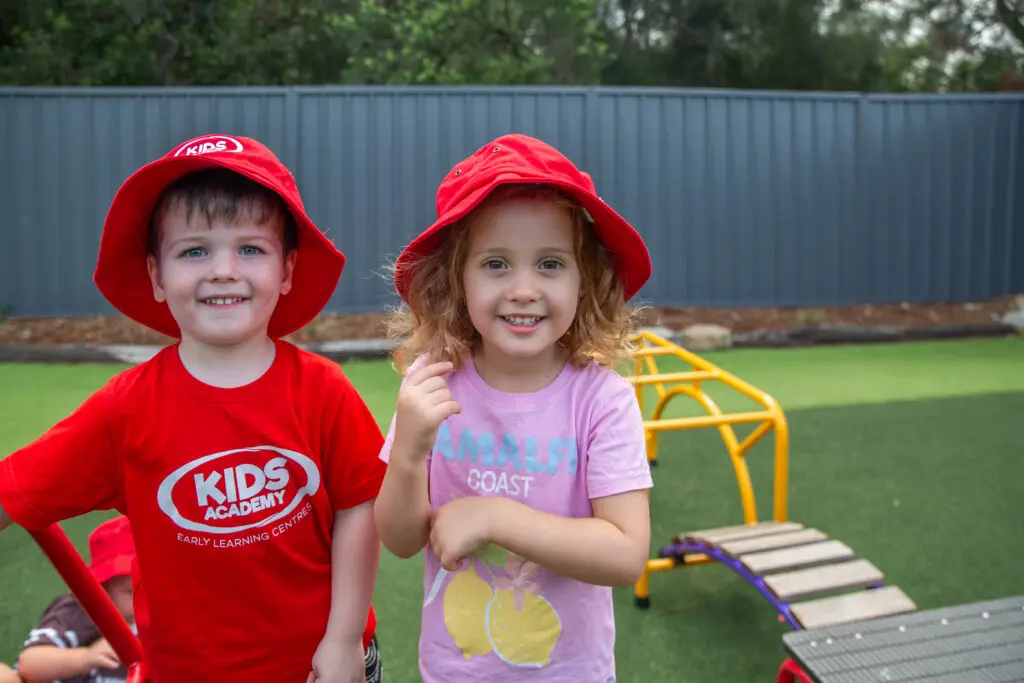
How Friendships Help Build Resilience and School Readiness
When we think about preparing children for school, literacy and numeracy often come to mind first. But one of the most important foundations for school readiness isn’t academic, it’s social.